Don't miss our holiday offer - up to 50% OFF!

cinematic artwork

Cinematic artwork
A diverse collection of 24 grainy texture brushes to use for everything from subtle background texture to gritty dry brush shading. Perfect for adding interest to minimalist mid-century illustrations https://justsugarphotography.com/.
In graphic design now, Gothic styles are characterized by medieval references in typefaces, aged textures, and simple colors that mimic the dark, natural atmosphere and textures of many Gothic-period buildings.
Conclusion: Vintage graphic design is an art form that has endured over time thanks to its classic elegance and timeless beauty. It features bold colors, intricate patterns and hand-painted illustrations combined with typography in order to create visually interesting compositions that evoke nostalgia and emotion from viewers. Vintage graphics are still popular today due to their ability to give brands an air of authenticity and timelessness – making them perfect for use in branding campaigns or promotional materials alike!
Cinematic artwork
Through this exploration, we aim to highlight the innovative and enduring connection between film and painting, showcasing how cinematic techniques continue to inspire and elevate the art of painting.
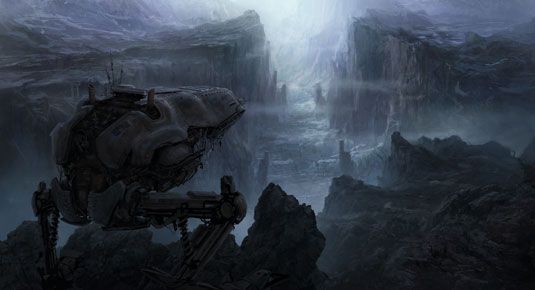
Through this exploration, we aim to highlight the innovative and enduring connection between film and painting, showcasing how cinematic techniques continue to inspire and elevate the art of painting.
David Hockney is another artist whose work demonstrates a profound influence from cinematic techniques. Hockney’s vibrant use of color, dynamic compositions, and exploration of perspective and space reflect his interest in the visual language of film. His approach often involves experimenting with multiple perspectives and fragmented compositions, much like the editing techniques used in filmmaking.
Film’s ability to convey complex narratives through visual imagery has revolutionized the way stories are told, using techniques such as framing, lighting, and sequential progression to guide viewers through a visual journey. These cinematic techniques have found their way into the realm of painting, where artists strive to evoke similar narrative experiences within the static confines of a canvas. This blend of film and painting results in narrative-driven compositions that not only capture a moment in time but also suggest a broader story, inviting viewers to engage with the artwork on a deeper level.
Cinema has often been inspired by paintings, which is unsurprising, considering both art forms are visual manifestations and manipulation of life. Both are starkly distinct and, at times, conflicting mediums. However, despite differences, filmmaking has been considered painterly and proven to be so countless times now by the incorporation of paintings in cinematic frames. Some of these incorporations are intentional, while some may be accidental, revealed only in retrospective analyses. Nevertheless, the parallels between the two forms remain intriguing in both cases.
Interestingly, the tableaux vivants are accompanied by luxurious soundtracks and no dialogue, thereby separating and creating a disjunction between the people outside and their dialogues. The world of art is then contrasted with the world of labor, where, despite having ideals, one has to face the real.
Release art
Both roles are essential in an agile environment but operate at different scales. A Scrum Master supports a single team by facilitating agile practices, resolving day-to-day challenges, and keeping the team focused on its sprint goals. In contrast, a Release Train Engineer (RTE) oversees the entire Agile Release Train. The RTE coordinates multiple teams, facilitates large-scale planning sessions, and ensures that all teams are working together toward the same strategic objectives—acting as the conductor of an agile orchestra.
The term «release train» refers to releasing a product or service incrementally and iteratively. It’s like a train that continuously and predictably moves to its destination, with some stops on the way. An Agile release train (ART) enables teams to work together quickly and efficiently to deliver a product or service.
A scrum master is responsible for leading the team in delivering outcomes through the use of sprints as the delivery method of choice. They also facilitate communication, collaboration, and camaraderie between leadership and the team to ensure that there is a well-built, defined deliverable at the end of the sprint.
#AgileReleaseTrain #ScaledAgile #SAFeFramework #ReleaseTrain #AgileTeams #PIPlanning #ARTEvents #AgileReleaseTrainEngineer #AgileTransformation #ContinuousDelivery #DevOps #Scrum #Kanban #BusinessAgility #LeanAgile
Film graphic
Graphic designers have to carry out extensive research to create set pieces that are accurate to the time period the film is set in. They are also in charge of all the graphic elements that are outlined in the script.
There are numerous scenes in Bridge Of Spies that have files and paperwork in the background. The pages of these files were well-thought-out and planned. There was excellent attention to detail. And the graphic designers for the film used rubber stamps, typewritten notes, and types of paper that helped create a more authentic feel for the audience and cast members.
A non-scripted graphic refers to a design not written in the script but necessary to complete the set design. These world-building graphics establish a scene’s look and authenticity and are a part of the set construction, set decor, props, locations, picture vehicles, visual effects, playback, or costumes. Here are a few examples:
The movie depicts the life of Julie Powell, an American blogger who vows to create the popular chef, Julia Child’s 526 recipes in 365 days. As you can imagine, this is no easy feat. And so starts an epic journey of motivation, conviction, inspiration, and strength.
Martin T. Charles of SagaBoy Productions also has credits for episodes of The Newsroom and other television shows, but a long scroll through his IMDb page reveals dozens and dozens of film credits from the ‘90s until today, with D2: The Mighty Ducks, Fear and Loathing in Las Vegas, How the Grinch Stole Christmas (2000), A.I. Artificial Intelligence, Minority Report, The Artist, The Avengers, 42, and A Wrinkle in Time, to name a few.